
How Ride-Sharing Helps Reduce Traffic and Build Stronger Communities
Posted on: 20 April, 2026


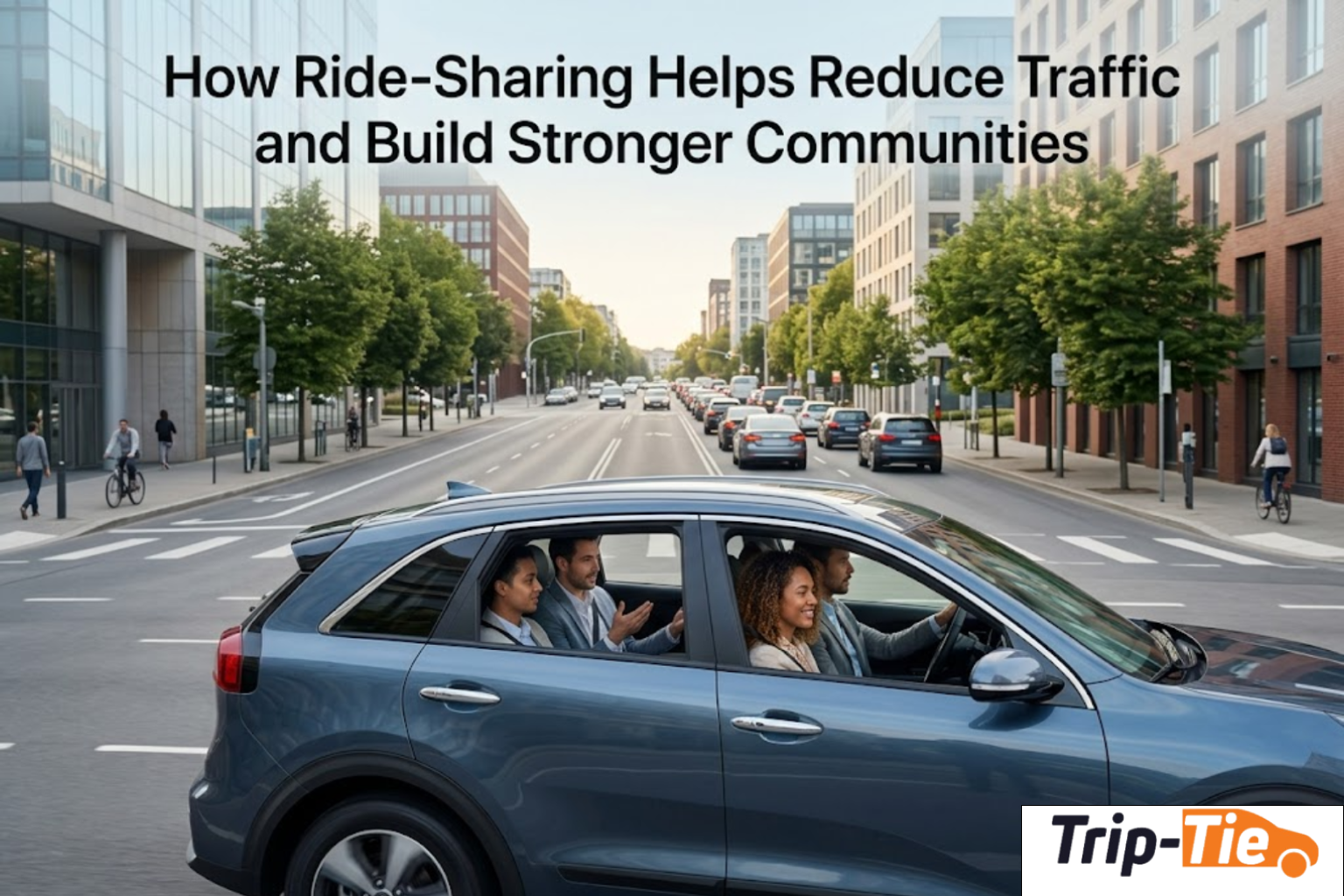
Traffic congestion is a growing problem in cities worldwide. At the same time, people are becoming more disconnected despite living in crowded environments. Ride-sharing offers a powerful solution that addresses both issues — reducing traffic while building meaningful human connections.
By transforming commuting from an isolated routine into a shared and efficient experience, ride-sharing is redefining urban mobility.
The Impact of Traffic Congestion
Heavy traffic affects daily life in multiple ways. It increases travel time, fuel consumption, and stress levels, making commuting exhausting and inefficient.
Long hours spent in traffic reduce productivity and negatively impact mental well-being. In addition, congestion contributes to higher carbon emissions, worsening air quality and environmental damage.
As cities continue to expand, unmanaged traffic becomes a serious challenge for infrastructure, sustainability, and overall urban development.
Ride-Sharing as a Smart Urban Solution
Ride-sharing is one of the most effective ways to reduce traffic congestion.
By allowing multiple passengers to share a single vehicle, it significantly reduces the number of cars on the road. This leads to:
- Improved traffic flow
- Reduced travel delays
- Better road space utilization
- Lower fuel consumption
Instead of every individual using a separate vehicle, shared mobility ensures that transportation resources are used more efficiently.
Building Stronger Communities Through Shared Travel
One of the most overlooked benefits of ride-sharing is its ability to bring people together.
Shared rides create opportunities for interaction, conversation, and collaboration. Whether it’s casual discussions, networking opportunities, or building friendships, ride-sharing turns everyday commuting into a social experience.
Over time, this fosters trust, strengthens local communities, and promotes a sense of belonging in urban environments.
Making Commuting More Affordable
Ride-sharing helps reduce individual travel costs by distributing expenses among passengers.
This makes daily commuting more affordable, especially for people traveling long distances or commuting regularly for work or education. It also reduces dependency on private vehicles and expensive transportation options.
Affordable mobility ensures that more people can access reliable transportation without financial strain.
Environmental and Sustainability Benefits
Ride-sharing plays a key role in creating a more sustainable future.
With fewer vehicles on the road, there is:
- Reduced carbon emissions
- Lower fuel consumption
- Less air pollution
- Improved environmental health
By promoting shared mobility, ride-sharing encourages responsible resource usage and supports eco-friendly urban living.
The Role of Technology in Ride-Sharing
Modern ride-sharing platforms leverage advanced technology to enhance the commuting experience.
Smart algorithms match users with similar routes, optimize travel time, and improve efficiency. Key features include:
- Real-time ride tracking
- Smart route optimization
- Easy ride scheduling
- Secure and verified user systems
These innovations make ride-sharing convenient, safe, and reliable for everyday use.
Enhancing Urban Mobility and Infrastructure
Ride-sharing contributes to smarter city planning and improved urban mobility.
By reducing the number of vehicles on roads, cities can experience:
- Less congestion in high-traffic areas
- Reduced pressure on infrastructure
- Better public transport integration
- Improved overall traffic management
It complements existing transportation systems and supports long-term urban development.
A Better Future for Everyday Commuting
Ride-sharing is more than just a trend — it is a shift toward smarter and more efficient transportation.
As adoption increases, cities will benefit from reduced congestion, improved air quality, and stronger community connections. Shared mobility solutions are becoming an essential part of future urban ecosystems.
Conclusion
Ride-sharing is transforming how people move within cities. By reducing traffic congestion, lowering costs, and encouraging social interaction, it creates a more efficient and connected urban environment.
Platforms like Trip-Tie are leading this change by offering smarter, safer, and more sustainable commuting solutions. The future of transportation is not just about reaching destinations — it’s about building better journeys and stronger communities along the way.