
How Smart Carpooling Is Transforming Daily Commuting
Posted on: 9 June, 2026


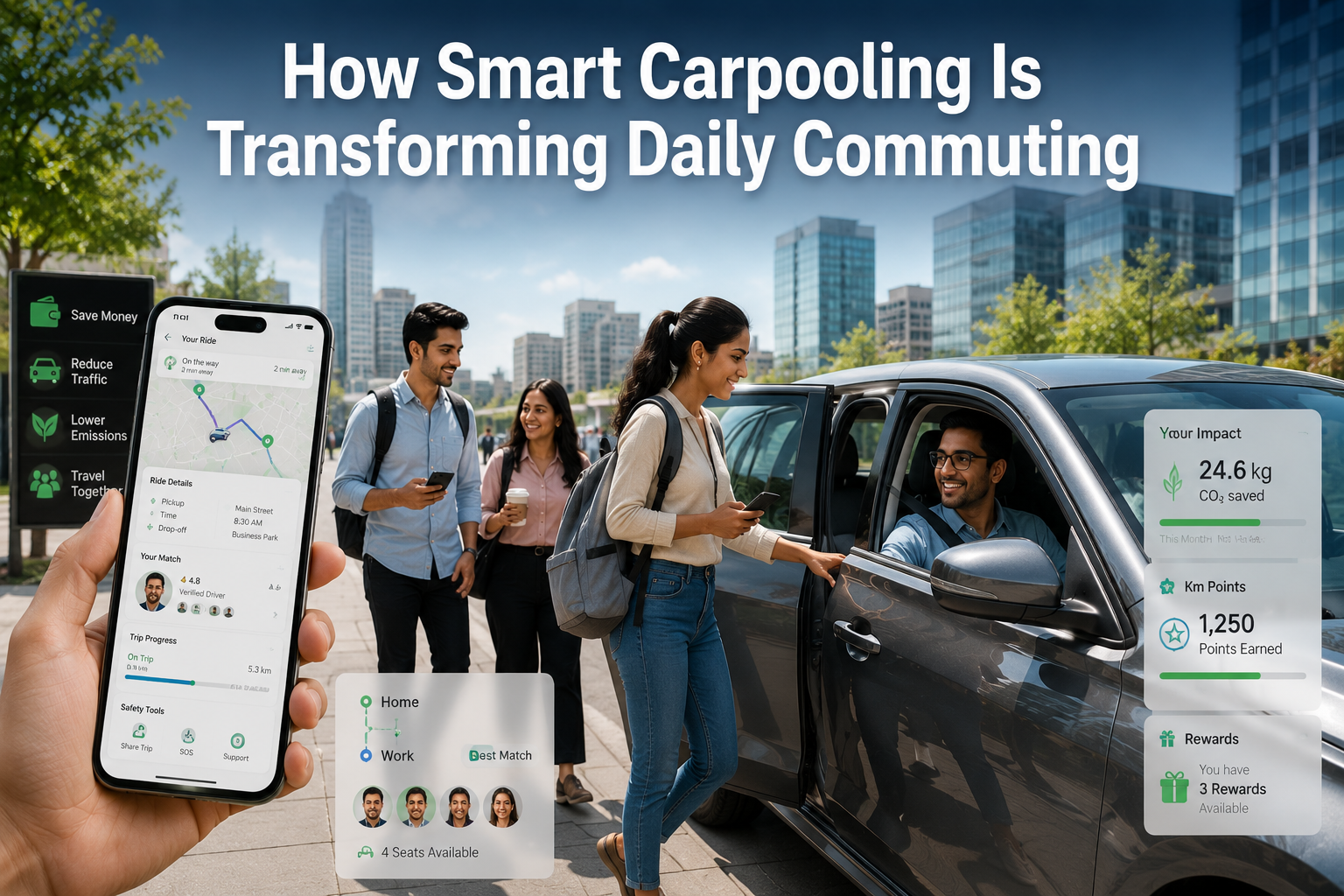
Daily commuting has become one of the biggest challenges for modern urban life. Rising fuel costs, increasing traffic congestion, long travel times, and growing environmental concerns have encouraged commuters to seek smarter transportation alternatives. Smart carpooling platforms are emerging as a practical solution, helping people save money, reduce emissions, and enjoy a more convenient commuting experience.
By combining technology, real-time matching, and reward-based engagement, smart carpooling is transforming how people travel to work, school, and other daily destinations.
The Growing Need for Smarter Commutes
Urban populations continue to grow, placing greater pressure on transportation infrastructure. More vehicles on the road contribute to traffic congestion, higher fuel consumption, and increased carbon emissions.
Traditional commuting methods often leave vehicles carrying only one passenger, resulting in inefficient use of resources. Smart carpooling addresses this issue by connecting riders and drivers traveling along similar routes, maximizing vehicle occupancy and reducing unnecessary trips.
AI-Powered Ride Matching
One of the key innovations behind modern carpooling platforms is intelligent ride matching.
Advanced algorithms analyze routes, schedules, pickup locations, preferences, and travel patterns to connect compatible riders and drivers. This automated process makes finding suitable carpool partners faster, safer, and more convenient than traditional ride-sharing arrangements.
AI-powered matching helps minimize detours while creating efficient and comfortable commuting experiences.
Saving Money on Daily Transportation
Transportation expenses continue to rise due to fuel prices, vehicle maintenance, parking fees, and toll costs.
Smart carpooling allows commuters to share travel expenses, significantly lowering individual transportation costs. Drivers can offset fuel and vehicle expenses, while riders gain access to affordable daily transportation without the cost of owning a vehicle.
For many commuters, carpooling creates substantial monthly savings.
Reducing Traffic Congestion
Fewer vehicles on the road directly contribute to smoother traffic flow.
When multiple commuters share a single vehicle, the total number of cars traveling during peak hours decreases. This reduction helps ease congestion, shortens commute times, and improves overall transportation efficiency within cities.
Smart carpooling supports more sustainable urban mobility systems while improving the commuting experience for everyone.
Lowering Carbon Emissions
Environmental sustainability is a major benefit of carpooling.
By reducing the number of vehicles on the road, smart carpooling helps lower greenhouse gas emissions and fuel consumption. Many platforms also encourage eco-friendly transportation by rewarding users who choose sustainable commuting options.
Shared mobility plays an important role in supporting cleaner, greener communities.
Enhancing Safety and User Confidence
Modern carpooling platforms prioritize user safety through multiple built-in features.
These often include:
- Verified user profiles
- Real-time ride tracking
- In-app communication tools
- Emergency assistance features
- Trip sharing options
These technologies help create secure and trustworthy ride-sharing environments for both drivers and passengers.
Rewarding Sustainable Travel
Many next-generation carpooling platforms go beyond simple ride matching by offering rewards programs.
Users can earn points or incentives for every shared trip, which may be redeemed for discounts, gift cards, or partner rewards. These programs encourage long-term participation while promoting sustainable commuting habits.
Reward-based systems make environmentally responsible transportation even more attractive.
The Future of Shared Mobility
As cities continue investing in smart transportation infrastructure, carpooling is expected to become an increasingly important component of urban mobility.
Integration with public transit, electric vehicles, AI-driven route optimization, and sustainability initiatives will further enhance the value of shared commuting solutions.
Smart carpooling represents a practical way to reduce costs, improve transportation efficiency, and support environmental goals simultaneously.
Conclusion
Smart carpooling is reshaping daily commuting by making travel more affordable, efficient, and sustainable. Through AI-powered ride matching, real-time safety features, shared travel costs, and environmental benefits, commuters can enjoy a better transportation experience while contributing to cleaner cities.
Trip-Tie is helping transform the future of commuting by connecting riders and drivers through intelligent technology, rewarding sustainable travel, and creating stronger transportation communities.